

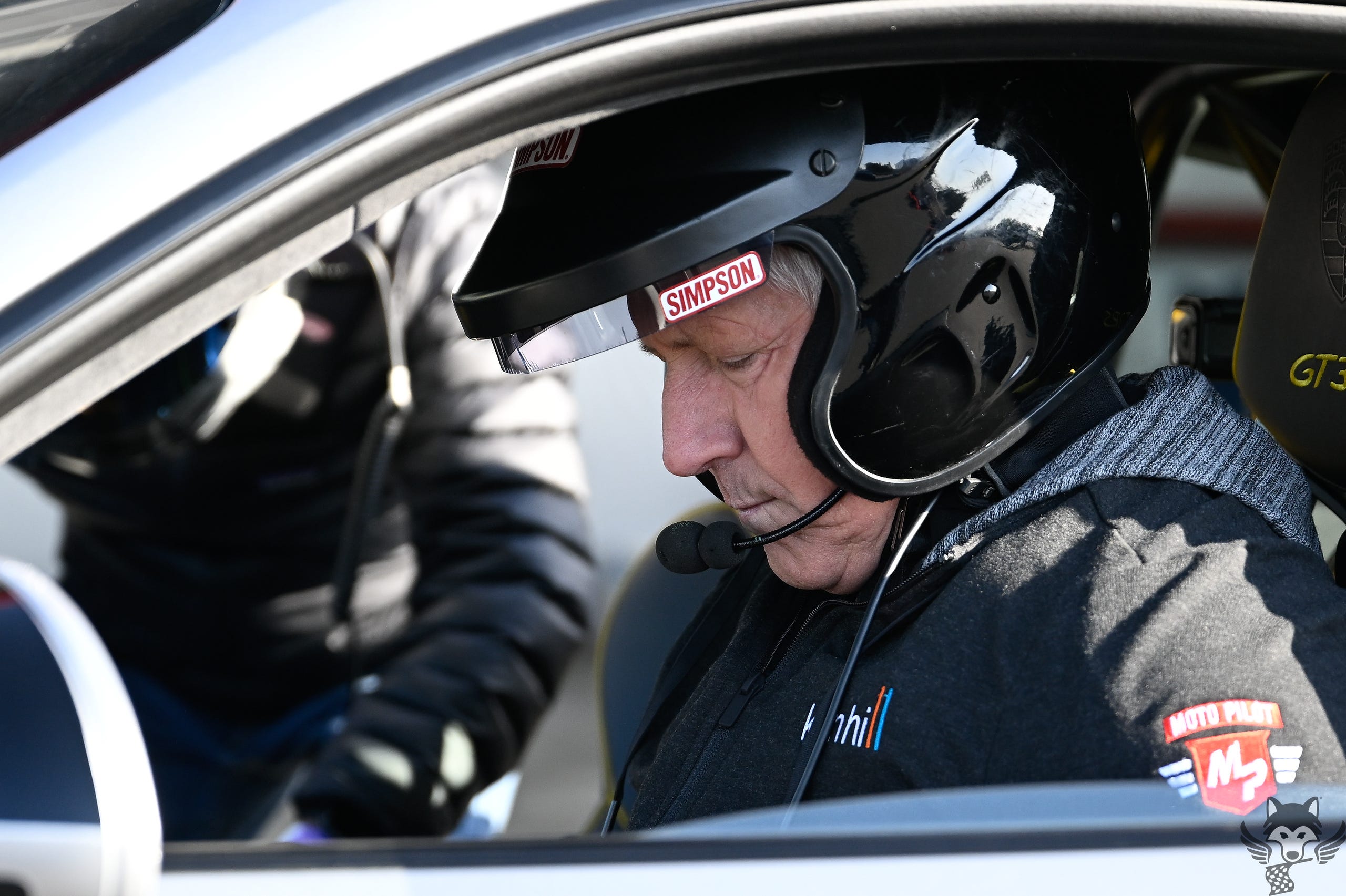
Learning a new racetrack is often a mixed bag of emotions. There’s the excitement of a fresh challenge, which is countered by the uncertainty of unraveling the subtle complexities of an unfamiliar ribbon of asphalt. “What if I’m slow? Will the track come to me? Maybe I just need another day or two…”
Over the past few decades, I’ve had countless conversations with champion drivers and riders about the different ways in which they approach unfamiliar circuits. More importantly, I’ve had the opportunity to be on track with many of them while learning a new layout, and that’s where I discovered the real insight.
It’s not what they said. Rather, it’s what they did. That’s the moment for me when the shift took place. When professionals arrive at a new track, their focus isn’t on learning the layout. It’s on placing their current fundamentals in a new environment. That’s how to approach mastering a track.
Professionals don’t wait for the track to “come to them.” They come to the track. They take what they already do well—what they know works—and apply it. The setting changes, but the process doesn’t. A good exit is a good exit. A good entry is a good entry, no matter where that corner is located anywhere in the world.
Through years of working within structured schools, coaching environments, and my own unique experiences, I’ve tested and validated this process over and over again. The result? I now expect to be within 5 to 7% of my target pace in less than 10 laps. Read that again: 10 laps. That’s right, 10 laps.
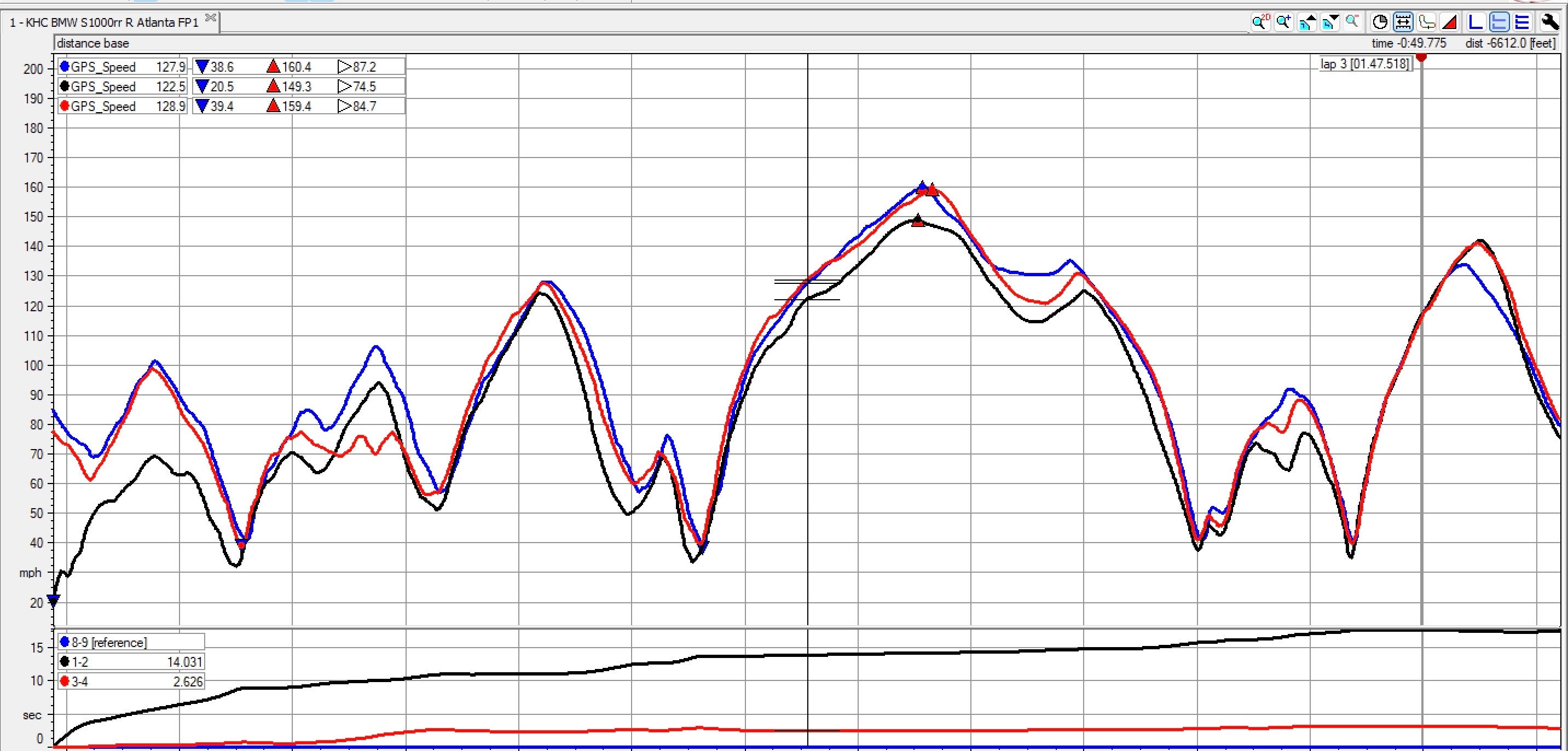
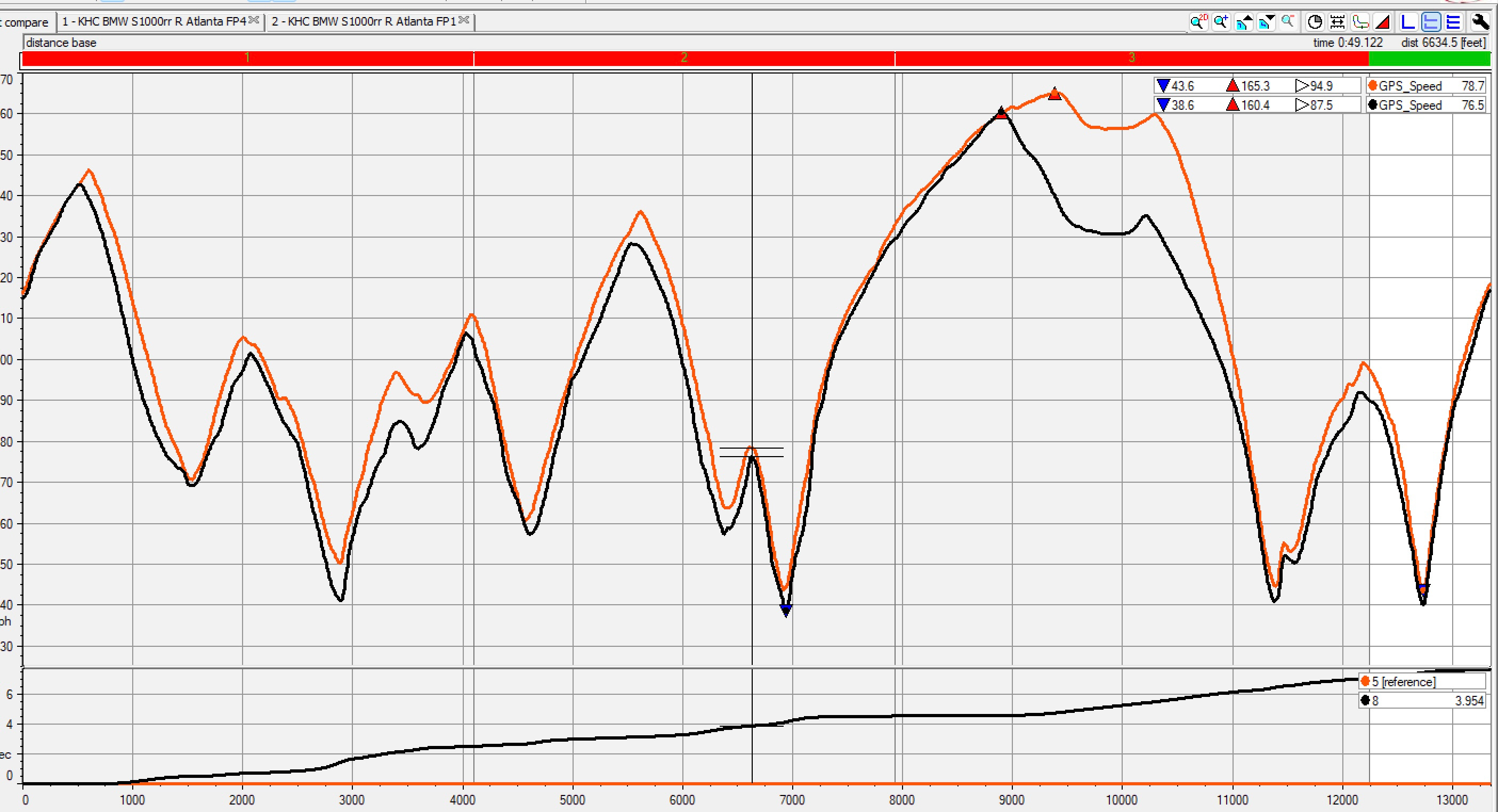
Are there caveats? Absolutely. You must be comfortable with your vehicle and you need to understand available grip. Even so, that goal is absolutely achievable. In fact, I recently proved it to myself at Michelin Raceway Road Atlanta, despite a 27-year on-track absence from the fast, rolling Georgia circuit.
I will break all of this down in a three-part series:
Part 1: What it takes to learn a track quickly
Part 2: Before you get to the track
Part 3: How to get up to speed fast
Part 1: What it takes to learn a track quickly
Open YouTube, watch a few racing videos, maybe even grab some laps in a simulator, and you’re good to go, right? Nope. Not even close, in fact. Bottom line, there are three critical elements that, if followed, will get you inside that 5-to-7% window almost immediately:
Current state of your fundamentals
Feel references
Track dynamics
That’s it. Everything else—fine details, nuances, last percentage points—only begins to matter once those three elements are firmly in place. Worrying about where to short shift or debating minor changes in line selection will have little effect if you are incapable of the following:
Demonstrating a working grasp of the fundamentals
Understanding track dynamics, specifically the location of the slow point of each corner
Building strong entries and exits through the correct application of braking and acceleration forces
Using standardized references to build your internal track map
Knowing when you did something correctly
Execute these points and speed will come quickly, safely, and repeatably. Miss them, and you’ll be left chasing laps instead of building pace, hoping the track eventually “comes to you” and telling yourself, “I just need another day or two.” Know this: Hope is not a technique.
Current state of your fundamentals
The current state of your fundamentals is about taking what you already know and placing it in a new environment. If your braking is good, it will be good elsewhere.
If your vision skills are solid, they will be solid elsewhere. Think of it like this: A skilled pilot can land at any airport. A trained quarterback can perform in any stadium. An experienced musician can play on any stage. Different environments, same fundamentals.
Feel references
I’ve written extensively on feel references, what they are and where they live on track. At the very core, that’s what this is all about. If you know what a good exit feels like, or what proper brake timing delivers, you can capture that feeling anywhere. That’s why the best are at speed almost immediately. They know what fast feels like, and they can place it anywhere. Here’s a collection of previously published articles that breaks down feel and feel references in detail.
Track dynamics
Vehicle placement is more than “learning the line.” It’s the first fundamental in the “Order of the Sport” because it demands a deeper understanding of what you should be doing on the track and when you should be doing it for each individual corner. Focus on these areas:
Identify the type of corner
Identify the slow point
Know where to use the track
Prioritize the correct control
Identify the vital points
Part 1 wrap-up
Yeah, I know. We all want to get out there and haul ass. Me, too. But this first part is about clarity and what’s actually required to learn a track and get up to speed quickly. It deserves the space to understand what the best are doing and why it works. Part 2 is where everything comes to life. The actual how, with real examples and data.
About Ken Hill
Ken Hill is considered the top motorcycle riding coach in the U.S. He bought his first motorcycle at age 30 and began road racing the very same year. Despite the late start, Ken went on to set track records and win class championships before making his professional debut in the AMA Superbike class, where he finished in the top 10 at age 41. Ken’s passion for learning and, ultimately, bettering the sport, led him to retire from racing in 2007 and devote himself full-time to coaching. Learn more at khcoaching.com.
Chris, absolutely. Send me your email so I can draw one out.
I’m headed to NJMP for my first race in June, and hopefully a track day before then. Would you be willing to share a track map with the type and slow point of the corners? This would be for T-Bolt.